
A Guide to Foodborne Illnesses in the Service Industry
January 11, 2026
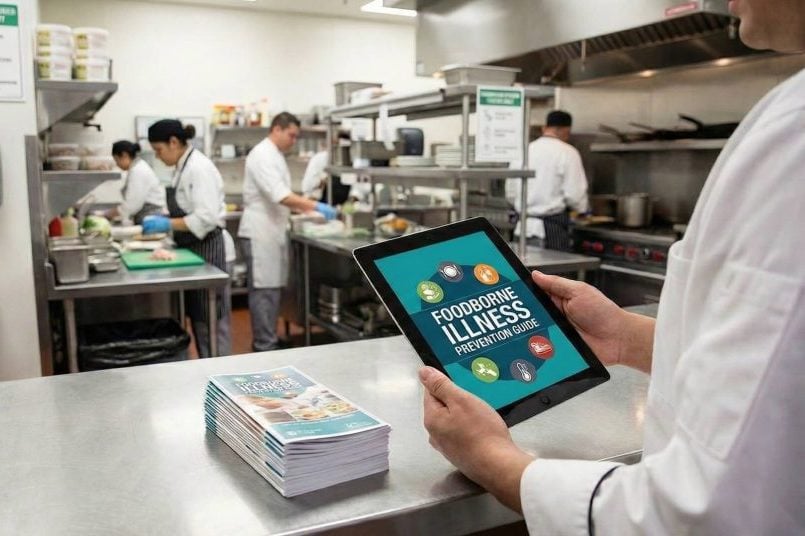
There’s more to working in the service industry than just preparing delicious food and serving customers. You must also take several precautions to ensure food is safe for service. Otherwise, you can be putting patrons at risk of serious foodborne illnesses.
All it takes is poor hygiene or a mistake during food preparation, and someone can end up seriously ill, or worse. If you work in the food industry and want to ensure safe food service at all times, take note of the information in this guide below:
What Are Foodborne Illnesses?
To prevent foodborne illnesses, you first need to understand what they are. Foodborne illnesses, also known as food poisoning, are intoxications or infections caused by consuming contaminated food or beverages. They can be contaminated with a range of things, including:
- Bacteria, such as E. coli and Salmonella
- Viruses, such as Hepatitis A and Norovirus
- Parasites, such as Toxoplasma and Giardia
- Chemicals, such as pesticides and cleaning agents
- Natural toxins, such as the toxins in shellfish
The Most Common Pathogens + Symptoms
Some pathogens are more common than others. They are also more frequently found in some foods than others and have their own sets of uncomfortable symptoms.
Norovirus
Norovirus is a pathogen commonly found in ready-to-eat foods and shellfish. It can present itself within 12-48 hours. Most people with Norovirus experience cramps, vomiting, and diarrhea.
Salmonella
Most people get Salmonella from eggs, poultry, and produce. Symptoms include fever, diarrhea, and cramps, which present after 6-72 hours.
E. coli
Ground beef and raw vegetables are among the most common causes of E. coli. This pathogen can cause a range of serious symptoms that occur within 1-10 days, including bloody diarrhea and kidney failure.
Listeria
You can become unwell with Listeria by eating contaminated deli meats and unpasteurized dairy. Symptoms can present within 1-4 weeks, including fever, stiff neck, and miscarriage if you’re pregnant.
Campylobacter
Campylobacter is a foodborne illness caused by consuming contaminated poultry and untreated water. Symptoms, including fever and diarrhea, can present within 2-5 days.
Clostridium Perfringens
If you eat contaminated gravies and meat, you can be at risk of the pathogen known as Clostridium Perfringens. It causes diarrhea and abdominal cramps within 6-24 hours.
Common Causes of Foodborne Illnesses in the Service Industry
Food poisoning doesn’t just happen by chance. In the service industry, there can be many common causes, including:
- Poor personal hygiene
- Improper temperatures for cooking and holding
- Cross-contamination
- Inadequate cleaning
- Contaminated raw ingredients
How to Prevent Foodborne Illnesses in the Service Industry
No professional and dedicated service worker wants to make their customers sick. Fortunately, there are ways to prevent foodborne illnesses in food-serving businesses.
Prioritize Personal Hygiene
Taking care of your personal hygiene is an excellent way to keep your customers safe. Wear a clean uniform, tie your hair back, and ensure your nails are clean and short.
Always wash your hands frequently for at least 20 seconds with soap and water, and use gloves when handling ready-to-eat food. If you’re sick, refrain from being involved in food-handling duties.
Ensure Appropriate Temperatures
All food should be at a specific temperature when being stored, cooked, and served. Follow the USDA Safe Minimum Internal Temperature Chart, which outlines which foods should be at what temperatures to be safe for consumption.
Always keep hot foods above 135°F and cold foods below 41°F. If you aren’t sure what a food’s temperature is, confirm it with a thermometer. All food should be kept in refrigerators at or below 40°F in the fridge and at 0°F or below in the freezer. These temperatures will help slow down or stop bacteria growth that can cause foodborne illnesses.
Avoid Cross-Contamination
Cross-contamination describes the process in which bacteria are transferred from one substance or object to another, causing harm. Prevent cross-contamination by using separate cutting boards for produce and raw meat, cleaning and sanitizing food contact surfaces, and storing raw meat below ready-to-eat food in fridges.
Ensure Proper Food Storage
Proper food storage is integral to safe food service. Label and date all food, store it at the correct temperature, and keep food covered. You should also use the FIFO – first in, first out – method to ensure older food is used first.
Prioritize Cleaning and Sanitizing
Cleaning and sanitizing should form part of your daily routine in a food preparation business. Always clean surfaces before sanitizing and use the appropriate concentrations of cleaning products, as outlined by the manufacturers. Follow the provided schedules for cleaning kitchen equipment.
Learn More About Foodborne Illnesses from TABC Pronto
The more you learn, the easier it is to keep your customers safe. Brush up on safe food service by completing the Texas Food Handlers Card course. Our 100% online course is self-paced for convenience and approved by the Texas Department of State Health Services. Enroll today!
See Why Thousands Trust Us for Their Texas Food Handlers and TABC Certification!
Join the many satisfied customers who rave about how simple, quick, and hassle-free our online courses are.


